High-Protein Vegetarian Salads: 7 Easy Ways to Hit Your Protein Goals
Vegetarian and still short on protein? These seven high-protein salad ingredients — from chana and sprouts to paneer and hung curd — make it easy to get more protein into every bowl.
Many vegetarians in India fall short on protein without realising it — not because vegetarian food lacks protein, but because our everyday meals lean heavily on grains. A high protein vegetarian salad is one of the easiest ways to close the gap at lunch.
How much protein do you actually need?
The Indian Council of Medical Research – National Institute of Nutrition (ICMR-NIN) puts the requirement for healthy adults at about 0.83 g of protein per kilogram of body weight per day (ICMR-NIN, Nutrient Requirements for Indians, 2020). For someone who weighs 65 kg, that's roughly 54 g a day. People who train regularly often aim higher — speak to a dietitian if you have specific goals.
Some people need more: regular gym-goers, older adults trying to preserve muscle, and anyone recovering from illness often benefit from a higher intake, while people with kidney conditions may need less — so it's worth getting personal advice.
Spread across three meals, that means each meal should carry a real portion of protein. Here's how to do it in a salad.
7 protein boosters for a high protein vegetarian salad
1. Chana (chickpeas)
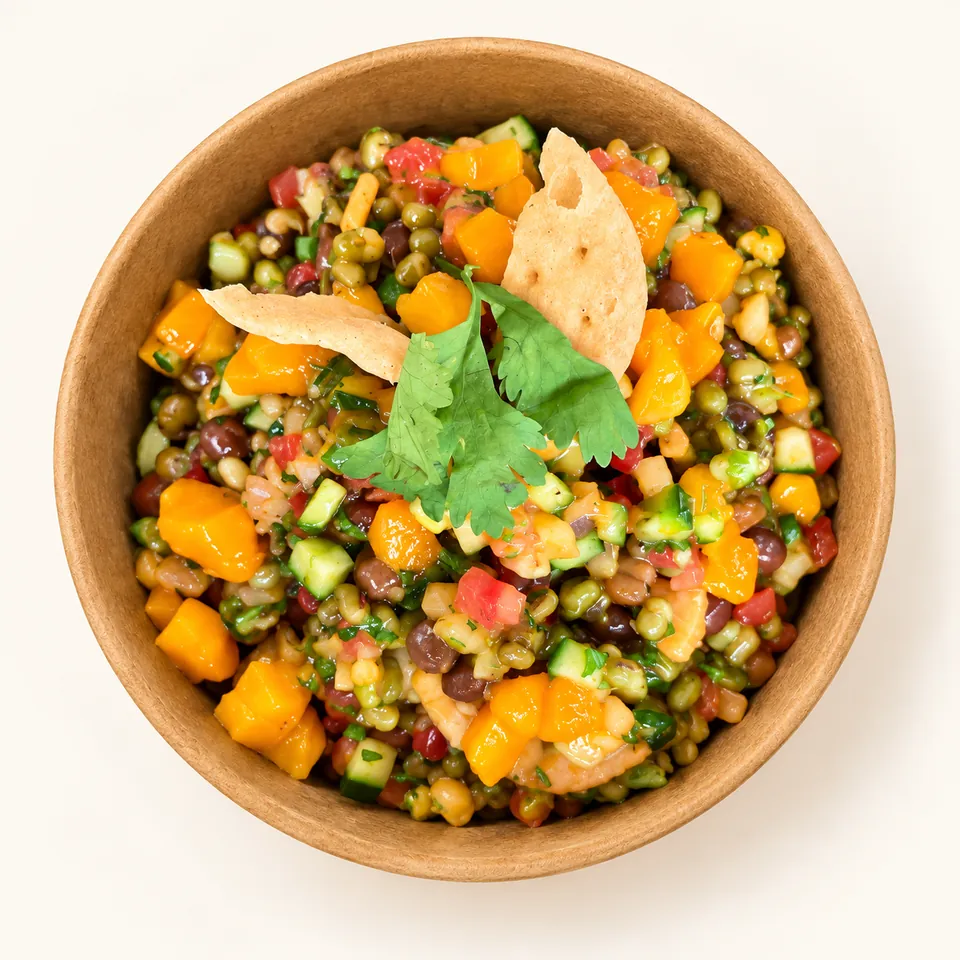
Cooked chickpeas bring around 8–9 g of protein per 100 g plus plenty of fibre. They hold their shape well, which makes them perfect for salads. Ours go into the Desi Mango & Sprout Salad.
2. Moong and other sprouts
Sprouted moong adds a fresh crunch and extra protein. Combining legumes like chana and moong also gives you a better mix of amino acids.
3. Paneer
Paneer is one of the richest vegetarian protein sources, at roughly 18 g per 100 g. Grill or toss it in a light marinade so it doesn't feel heavy.
4. Mozzarella and other cheeses
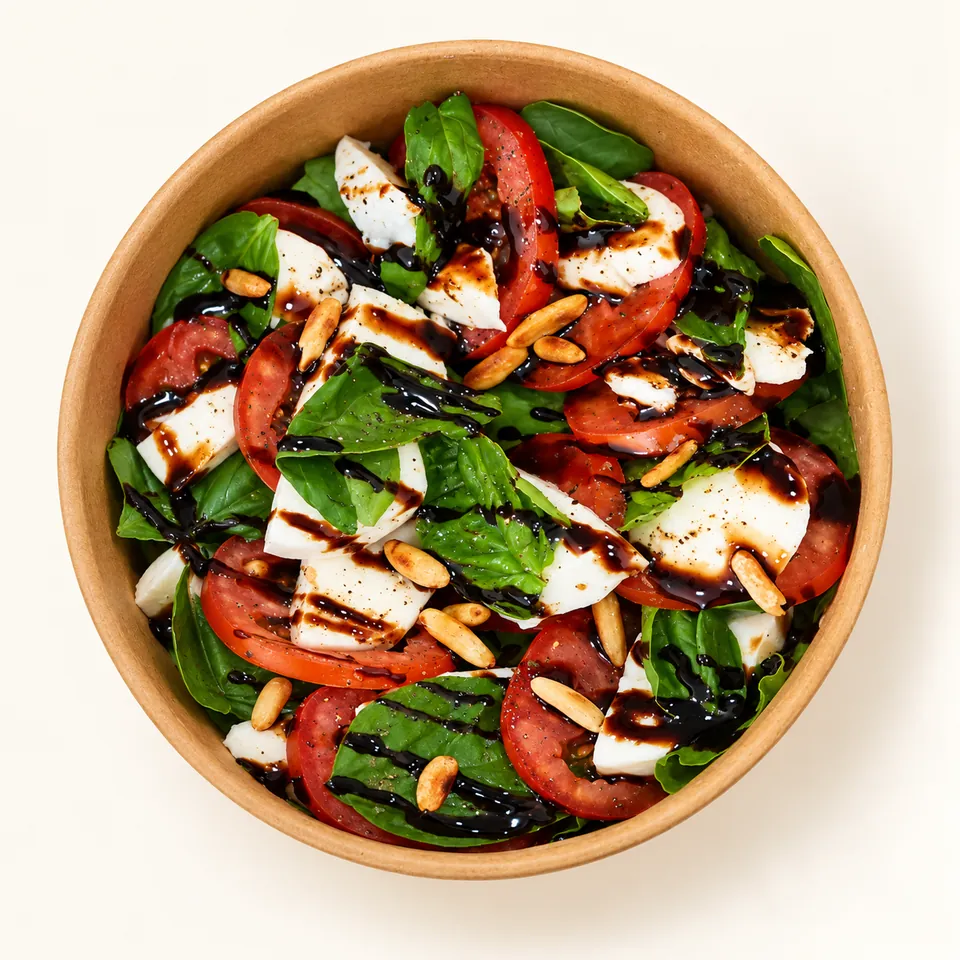
Fresh mozzarella brings protein and creaminess. Our Salad Caprese pairs buffalo mozzarella with tomatoes, basil and pine nuts.
5. Hung curd and Greek-style yoghurt
Strained yoghurt is higher in protein than regular curd and makes a brilliant creamy dressing base — try it with garlic, herbs and lemon.
6. Peanuts, nuts and seeds
A spoonful of peanuts, walnuts, pumpkin seeds or sesame adds protein, healthy fats and crunch. Peanuts are especially good value; our Asian Noodle Salad is finished with them.
7. Eggs (if you eat them)
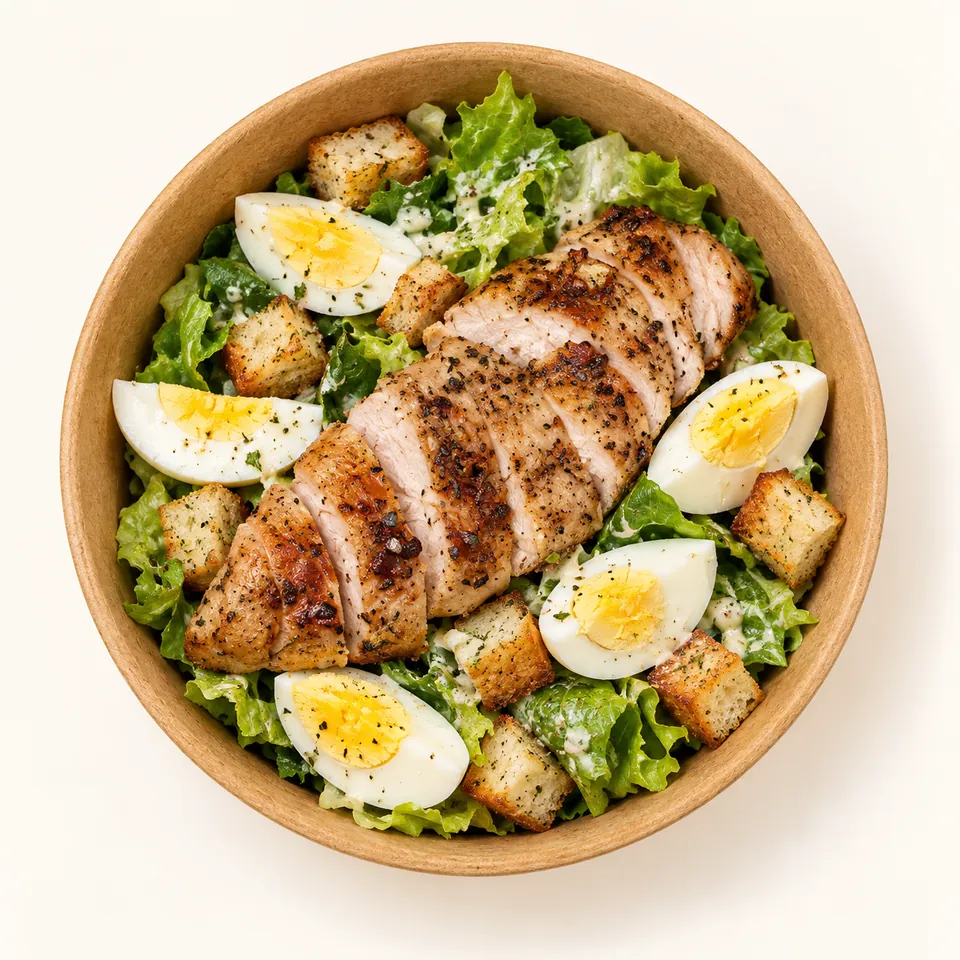
For eggetarians, two eggs add around 12 g of high-quality protein. Hard-boil a batch at the start of the week.
Putting it together: a sample bowl
- Base: lettuce, cucumber, tomato and shredded cabbage
- Protein: 100 g chana + a handful of moong sprouts
- Extra protein: 50 g grilled paneer
- Crunch: 1 tablespoon roasted peanuts
- Dressing: hung curd with lemon, mint and roasted cumin, on the side
That one bowl comfortably delivers a meaningful share of your daily protein, with fibre and very little effort. Swap paneer for tofu if you prefer a lighter option, or add a boiled egg if you eat eggs.
Protein in common salad ingredients
Approximate protein per 100 g (values vary by brand and preparation — check the label where you can):
| Ingredient | Protein (approx.) |
|---|---|
| Peanuts, roasted | 25 g |
| Mozzarella | 20 g |
| Paneer | 18 g |
| Eggs (about 2) | 12 g |
| Hung curd / Greek-style yoghurt | 9–10 g |
| Chickpeas (chana), cooked | 8–9 g |
| Moong, cooked | 7 g |
The easiest way to build a high protein vegetarian salad is to combine two sources — for example chana with paneer, or sprouts with a yoghurt dressing and peanuts.
Common mistakes that keep protein low
- Treating protein as a garnish. A few cubes of paneer won't move the needle; aim for a palm-sized portion.
- Relying on one source. Mixing legumes, dairy and nuts gives you a better amino-acid profile and more variety.
- Skipping breakfast protein, then over-correcting at dinner. Spreading protein across the day is easier on digestion and helps you stay full.
- Choosing creamy dressings made mostly of oil. A yoghurt-based dressing adds protein instead of only fat.
A week of high protein vegetarian salad lunches
Need a plan? Here's a simple rotation that changes the protein every day:
- Monday: chana and moong sprout salad with a curd-mint dressing.
- Tuesday: grilled paneer, cucumber, tomato and onion with lemon and chaat masala.
- Wednesday: mozzarella, tomato and basil over rocket with pesto and pine nuts.
- Thursday: rice noodles, shredded vegetables and peanuts in a sesame-soy dressing, topped with tofu or extra peanuts.
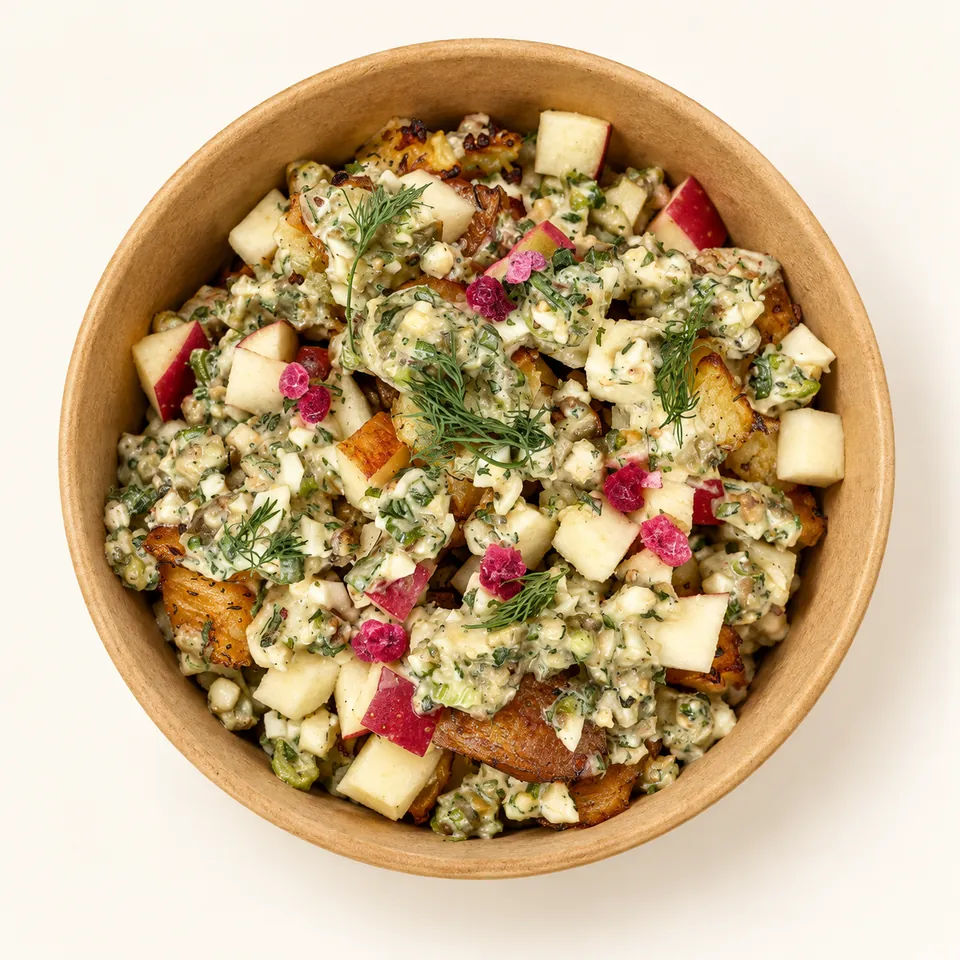
- Friday: roasted potatoes, apple and walnuts with boiled eggs or extra paneer.
Prep chana, paneer and dressings on Sunday and Wednesday, and each lunch takes about five minutes to assemble.
Tips for making it a habit
- Batch-cook your legumes. Cook chana once, cool it quickly and refrigerate; it's ready for salads for the next couple of days.
- Rotate your proteins. Different sources bring different nutrients and keep your lunches interesting.
- Don't forget the dressing. A protein-rich yoghurt dressing is an easy win.
If you'd rather leave the cooking to us, our Protein Pro subscription rotates our most protein-rich bowls on the days you choose.
Frequently asked questions
Can vegetarians get enough protein from salads?+
Yes. Adding legumes like chana and moong, paneer, cheese, hung curd and nuts can give a single salad bowl a substantial amount of protein.
Which vegetarian food has the most protein?+
Paneer, cheese, soya, peanuts and legumes like chickpeas and lentils are among the richest everyday vegetarian protein sources in Indian kitchens.
How much protein do adults need per day?+
ICMR-NIN recommends about 0.83 g of protein per kg of body weight per day for healthy adults; active people may need more.