Healthy Diwali Eating in Vadodara: Enjoy the Festival, Skip the Slump
Diwali and wedding season in Vadodara mean sweets, farsan and late nights. Here's how to enjoy every celebration while still feeling good — no guilt, no extremes.
Diwali in Vadodara is something special — rangoli outside every door, lights across Alkapuri and Old City, boxes of kaju katli going from house to house, and a wedding season that follows right behind. It's also the time of year when many of us feel heavy, tired and a little regretful. Healthy Diwali eating isn't about saying no to sweets. It's about enjoying them without feeling awful afterwards.
Why festive eating leaves us tired
It's rarely one sweet that does it. It's the pattern: skipped meals, then large portions of fried farsan and sugary mithai, late nights, less sleep, and less movement. Our energy dips, digestion struggles, and the cycle repeats for two weeks.
The good news is that a few small habits fix most of it.
Healthy Diwali eating: seven practical tips
1. Don't skip meals to "save room"
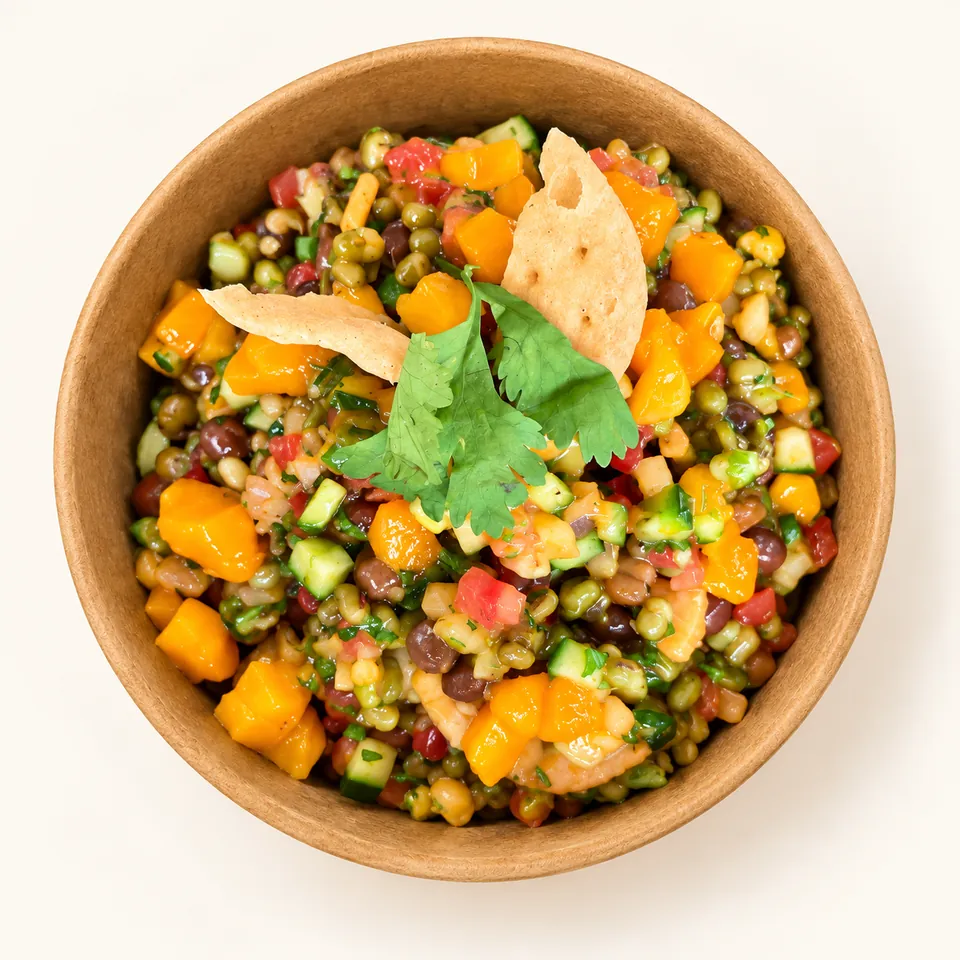
It feels logical, but arriving hungry at a festive dinner almost always means overeating. Eat a light, protein-rich lunch on party days. A salad with sprouts or paneer — like our Desi Mango & Sprout Salad — fills you up without weighing you down.
2. Choose your favourites, skip the rest
You don't have to eat every sweet in the box. Pick the two or three you truly love and enjoy them slowly. Passing on the ones you don't care about is the easiest calorie saving there is.
3. Mind the portion, not just the sweet
A small piece of mithai savoured mindfully is very different from absent-minded snacking. Put your portion on a plate rather than eating from the box.
4. Balance farsan with fibre
Chakri, chevdo and mathiya are a big part of Gujarati Diwali. Pair them with something fresh — cucumber, carrots, a salad — so you're not filling up on fried snacks alone.
5. Stay hydrated
Late nights and salty snacks dehydrate you, and thirst is easily mistaken for hunger. Keep water nearby and drink chaas or nimbu pani instead of extra cold drinks.
6. Keep moving
Festive days are busy, but a 20-minute walk after meals helps digestion and keeps energy up. The WHO recommends at least 150 minutes of moderate activity a week — festival season is a good time to keep that going.
7. Lighten the days in between
Diwali isn't one meal; it's a week or two of celebrations. On days without a party, eat simply: vegetables, dal, curd, salads. That balance is what keeps you feeling good.
Healthier sweets worth trying
If you want something sweet that's a little kinder:
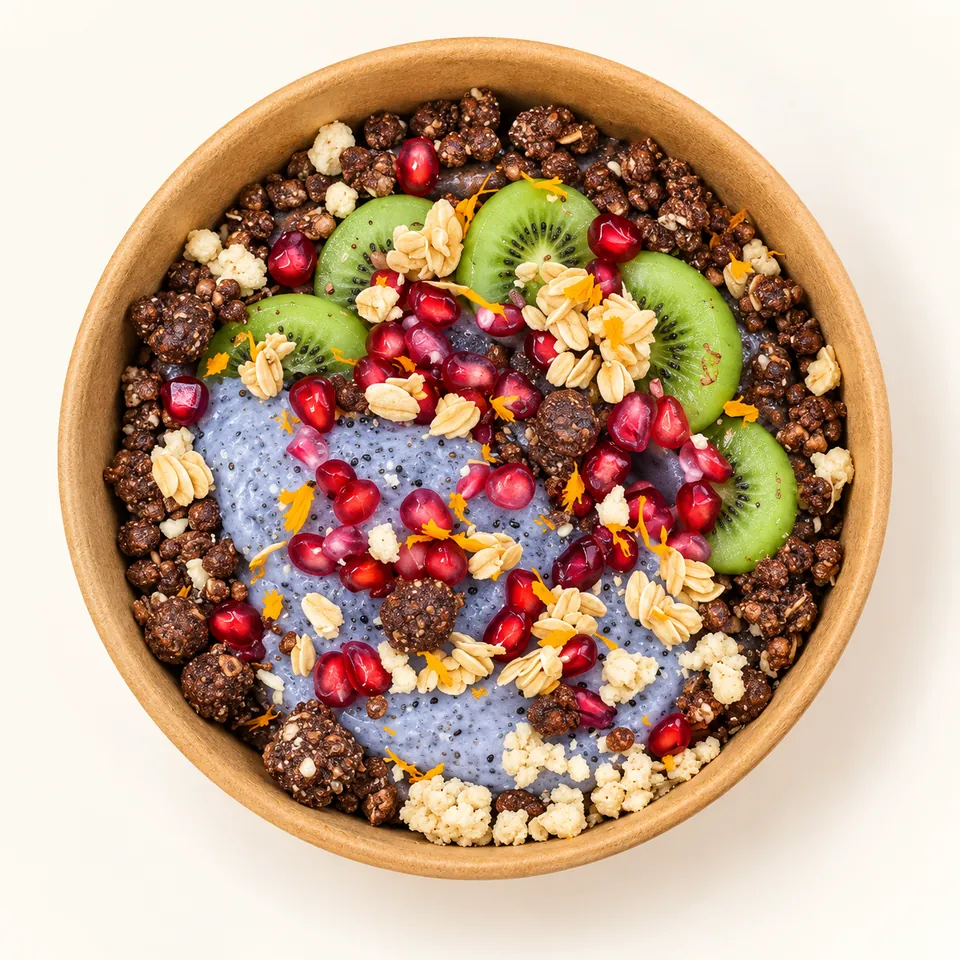
- Fruit-based desserts — fresh fruit with a little dark chocolate, like our Dark Chocolate Fruit Bowl
- Dry fruit and date laddoos — still rich, so enjoy small portions
- Shrikhand or yoghurt-based sweets in moderate amounts
- Roasted makhana or nuts instead of fried snacks
The WHO advises keeping free sugars below 10% of daily energy. You don't need to be perfect during festivals — just aware.
Surviving Vadodara's wedding season
Diwali flows straight into the wedding season, with long buffets and late dinners. A few tips:
- Eat a light meal before the function
- Start with salad and grilled starters at the buffet
- Choose one or two mains rather than a bit of everything
- Go easy on sugary drinks; choose water or chaas
After the festival: getting back on track
Don't "detox" or crash diet after Diwali. Just go back to regular, balanced meals. A few days of vegetable-rich, protein-rich lunches will have you feeling like yourself again. Many people use a short plan like our Taster Week to reset their routine after the festivities.
A simple festive-day plan
Here's what a balanced Diwali day might look like:
- Morning: a normal breakfast with protein — chilla, poha with peanuts, or curd and fruit
- Lunch: something light and fresh, like a salad bowl or dal-rotli with plenty of vegetables
- Evening visits: one or two sweets you truly love, a little farsan, lots of water
- Dinner: a moderate plate at the family feast — start with the vegetable dishes
- Before bed: a glass of water and a short walk if you can
You still enjoy everything the festival offers. You just avoid the pattern of skipping meals, then overeating at night.
Gifting healthier this Diwali
Diwali gifting in Vadodara usually means boxes of mithai and dry fruit. If you'd like to give something a little lighter, consider a basket of seasonal fruit, roasted nuts and seeds, good-quality dark chocolate, or a box of makhana. They're still festive and generous — and the people receiving them, already surrounded by sweets, will probably thank you.
Enjoy it — that's the point
Healthy Diwali eating means enjoying the festival with the people you love and the food you grew up with, while looking after yourself along the way. Eat regular meals, pick your favourite sweets, keep moving and balance the days in between.
Happy Diwali from all of us at Leafli in Akota. If you need a light lunch between celebrations, we deliver across Vadodara from 11 am to 9 pm — see the menu.
Frequently asked questions
How can I eat healthy during Diwali?+
Keep regular meals with plenty of vegetables and protein, enjoy sweets mindfully in small portions, stay hydrated, and keep moving. Balance festive days with lighter meals around them.
Are there healthier alternatives to Diwali sweets?+
Fruit-based desserts, dark chocolate with fruit, dry-fruit laddoos in small portions and yoghurt-based sweets are lighter choices than deep-fried, syrup-soaked mithai.
Should I skip meals before a festive dinner?+
No. Skipping meals usually leads to overeating later. A light, protein-rich meal earlier in the day helps you enjoy the feast in comfortable portions.