Healthy Eating for Students in Vadodara: A Realistic Guide
Hostel food, canteen snacks and late-night Maggi — student life makes healthy eating hard. Here's a realistic guide to healthy eating for students in Vadodara.
Vadodara is a student city. MSU alone brings tens of thousands of students from across Gujarat and India, and the city's engineering, medical and design colleges add many more. Student life is exciting — and terrible for eating well. Irregular schedules, tight budgets and hostel mess food make healthy eating for students genuinely hard. Here's a realistic guide.
The student food trap
Most students don't eat badly because they don't care. They eat badly because of:
- Irregular schedules — skipped breakfasts, late lunches
- Tight budgets — cheap often means fried or refined
- Limited cooking facilities — a hostel room with a kettle isn't a kitchen
- Late nights — fuelled by chai, biscuits and instant noodles
- Exam stress — when comfort food takes over
None of these will disappear, so the goal is to make better choices within them — not to follow a perfect diet.
Healthy eating for students: the basics
You don't need superfoods. You need:
- Regular meals, especially breakfast
- Protein at most meals
- Some fruit and vegetables every day
- Water — lots of it
- Fewer sugary drinks and packaged snacks
India's ICMR–NIN dietary guidelines emphasise a varied diet with cereals, pulses, vegetables, fruits and milk — a simple framework that works on any budget.
Cheap protein for students
Protein keeps you full, focused and less likely to snack. Affordable options:
- Dal, chana and rajma — cheap and filling
- Moong sprouts — sprout them yourself in a jar for almost nothing
- Eggs — if you eat them, among the best value proteins
- Peanuts — cheap, filling and full of healthy fats
- Curd and milk — easy to find everywhere
- Soya chunks — very high in protein for the price
Smarter choices at the canteen and mess
- Take more dal and sabzi, less rice
- Always add salad or kachumber if it's available
- Choose dhokla, idli or poha over fried snacks
- Pick chaas or nimbu pani over cold drinks
- Have one fried item, not three
Easy no-cook student meals
If you only have a kettle and a bowl:
- Sprout chaat — sprouts, onion, tomato, lemon, chaat masala
- Curd with fruit and nuts
- Poha soaked in hot water with peanuts and lemon
- Peanut butter on whole wheat bread with a banana
Eating well during exams
Exam weeks are when nutrition matters most and slips the most.
- Don't skip meals. Your brain needs steady fuel.
- Eat protein at breakfast. It helps you stay focused through the morning.
- Choose fruit and nuts over biscuits and chips while studying.
- Watch the caffeine. Too much chai or coffee can disrupt sleep, which hurts memory.
- Drink water. Even mild dehydration can affect concentration.
Late-night study food
Instead of instant noodles at midnight, try:
- A banana with peanuts
- Curd or a glass of milk
- Roasted chana or makhana
- A light salad bowl
See our guide to healthy late night food in Vadodara for more ideas.
When you want a proper healthy meal
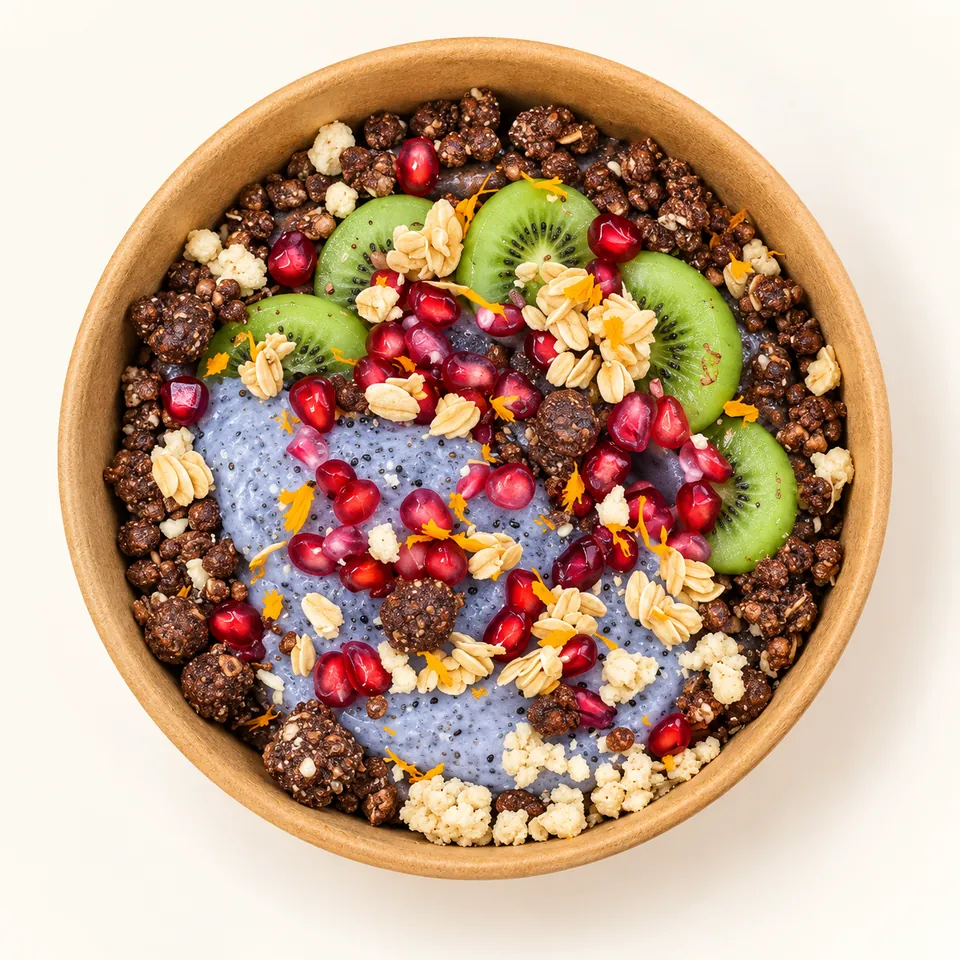
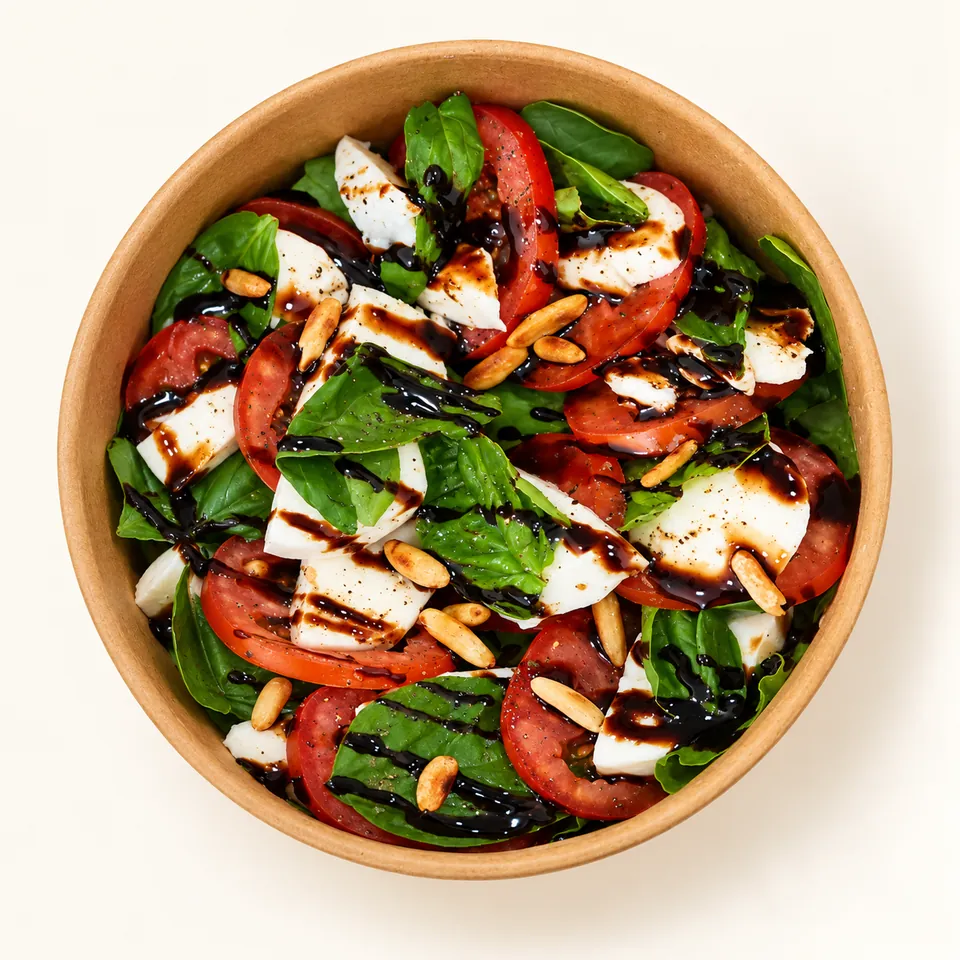
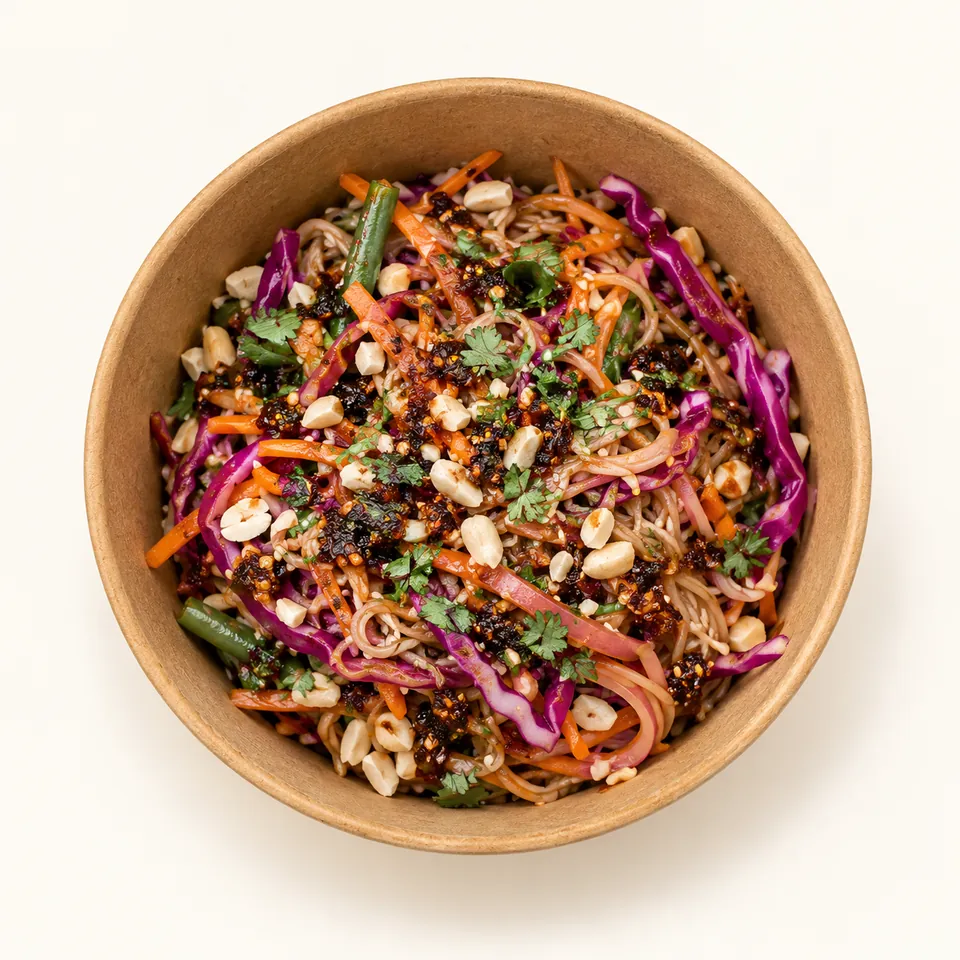
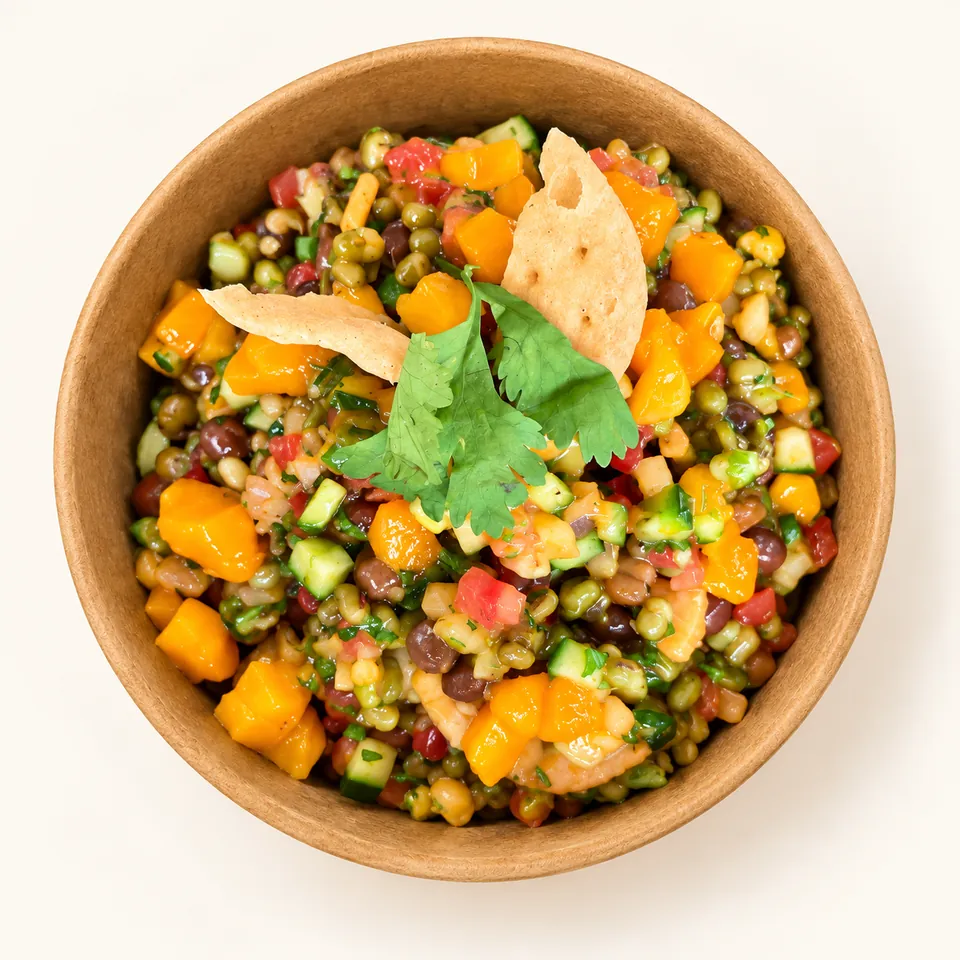
Sometimes you just want a good meal without cooking. A fresh salad bowl can be a satisfying treat that won't leave you sleepy in afternoon lectures. Our Desi Mango & Sprout Salad is vegetarian, tangy and protein-rich, and the Asian Noodle Salad feels like comfort food. When you need something sweet, the Dark Chocolate Fruit Bowl beats a packet of biscuits.
We deliver from our Akota kitchen to areas around MSU — Fatehgunj, Sayajigunj and Alkapuri — and across Vadodara, from 11 am to 9 pm.
Small habits that make a big difference
- Keep fruit in your room
- Carry a water bottle to class
- Learn two or three simple recipes
- Eat with friends — regular meal times help
- Plan ahead for exam weeks
A sample student day
Here's a realistic, budget-friendly day for a hostel student:
- Breakfast: poha with peanuts, or bread with peanut butter and a banana
- Mid-morning: fruit from the market outside campus
- Lunch: mess or canteen meal — extra dal and sabzi, less rice, salad if available
- Evening: sprout chaat or roasted chana with nimbu pani
- Dinner: mess meal, or a fresh salad bowl when you want a treat
- Late night (if studying): curd, milk or a banana
It isn't fancy, and it doesn't need to be. Regular meals with some protein and fruit will make a bigger difference to your energy and focus than any supplement.
Living away from home for the first time
Many Vadodara students live away from home for the first time and miss home food badly. That's normal. Learning two or three simple dishes — khichdi, poha, a basic dal — gives you a taste of home and a healthier option than eating out every night.
The bottom line
Healthy eating for students isn't about perfection or expensive food. It's regular meals, cheap protein, some fruit and vegetables every day, and fewer sugary drinks. Start with one or two changes and build from there.
For more on getting enough protein as a vegetarian, read high-protein vegetarian food in Vadodara, or browse the menu.
Frequently asked questions
How can students eat healthy on a budget?+
Rely on affordable protein like dal, chana, sprouts, eggs, peanuts and curd, eat seasonal fruit and vegetables, cook simple meals when possible and limit packaged snacks and sugary drinks.
What should students eat during exams?+
Regular balanced meals with protein, whole grains and vegetables, plenty of water, and light snacks like fruit, nuts or curd. Avoid relying on sugar and caffeine to stay awake.
What are healthy snacks for hostel students?+
Roasted chana, peanuts, makhana, fruit, curd, sprouts and khakhra in moderation are all easy, affordable choices.