Salad Food Safety: How a Cloud Kitchen Keeps Raw Food Safe
Raw salads need careful handling. Here's how salad food safety works in a professional cloud kitchen — washing, cold chain, use-by dates and packaging — and what to ask any kitchen.
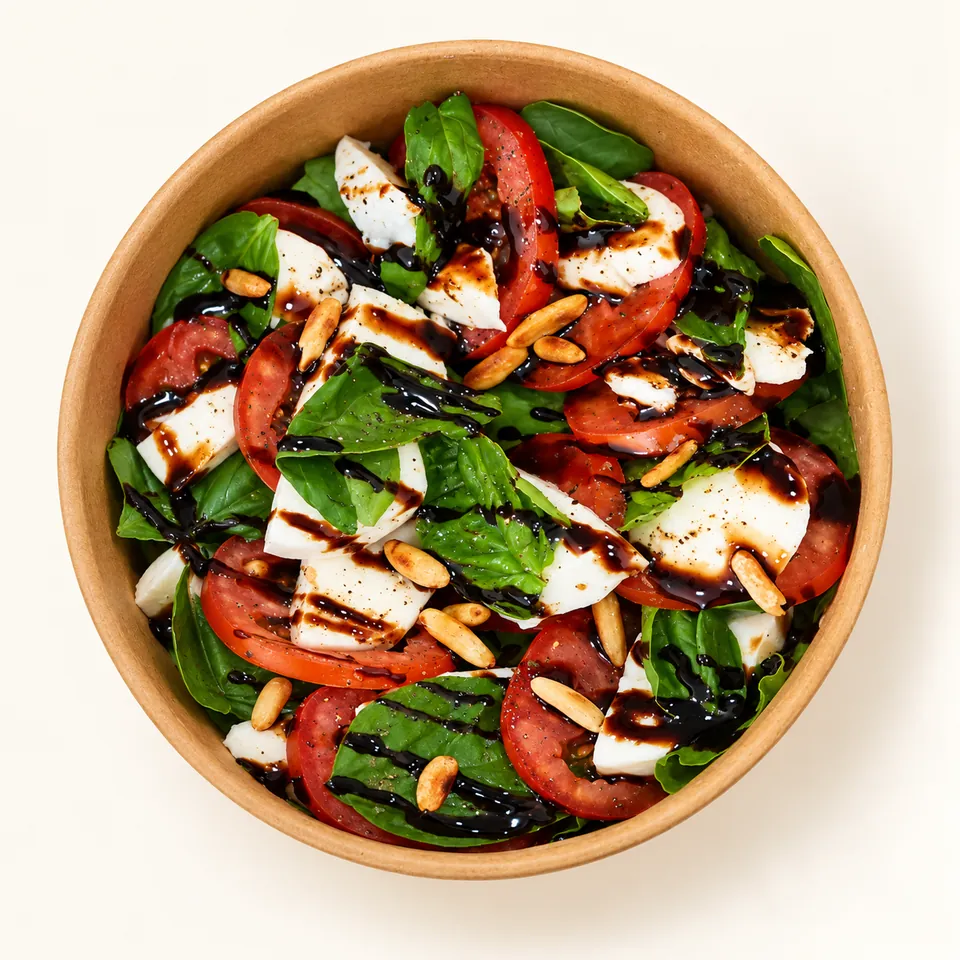
Salads are fresh, raw and uncooked — which is exactly what makes them delicious, and exactly why they need careful handling. Cooking kills most bacteria; a salad has no such safety net. So how does salad food safety actually work in a professional kitchen? Here's an honest look behind the scenes at how we handle it at Leafli in Akota, and what you can ask any kitchen.
Why salad food safety needs extra care
Fresh produce can carry soil, dust and bacteria from the farm, the market and transport. Cut vegetables, cooked grains and dairy-based dressings can all support bacterial growth if they're kept warm for too long. That's why the two pillars of salad food safety are cleanliness and temperature.
Step 1: Washing produce properly
Every vegetable and fruit that goes into a salad needs thorough washing. Good practice includes:
- Removing damaged outer leaves
- Washing under clean running water, or in clean water changed frequently
- Paying extra attention to leafy greens, where soil hides between leaves
- Drying well — which also keeps salads crisp
India's food regulator, the FSSAI, sets hygiene requirements for food businesses, including clean water, cleaning and personal hygiene practices.
Step 2: Keeping everything cold
Temperature is the single most important factor in salad food safety. Bacteria multiply fastest in the "danger zone" — roughly 5°C to 60°C, as explained by the USDA's food safety guidance. Vadodara's hot climate makes this especially important.
In our kitchen:
- Prepped ingredients, sauces and dressings are held at 4°C or below
- Ingredients come out of cold storage only when bowls are being assembled
- Bowls are assembled to order rather than pre-made and left waiting
- Orders are packed and handed to a rider quickly
Step 3: Small batches and use-by dates
Dressings, pesto, roasted vegetables and cooked components are made in small, dated batches. Each batch has a use-by time based on how long it stays safe and tastes good, and nothing is served past it. Small batches mean ingredients are used while fresh rather than sitting for days.
Step 4: Preventing cross-contamination
Cross-contamination happens when bacteria move from one food or surface to another — for example, from raw chicken to salad leaves. Good kitchens:
- Use separate boards and utensils for raw meat and ready-to-eat food
- Keep vegetarian and non-vegetarian preparation separate
- Wash hands frequently and use gloves for ready-to-eat food
- Clean and sanitise surfaces regularly
Step 5: Allergen control
Food safety also means protecting people with allergies. Every Leafli dish lists its allergens on the dish page. Our kitchen handles nuts, peanuts, sesame, soy, gluten, egg, dairy and mustard, so we always ask customers to tell us about allergies in their order notes. If you have a severe allergy, always check with any kitchen before ordering.
Step 6: Packaging that protects
Packaging matters for both safety and quality:
- Sealed, rigid bowls protect food from contamination and crushing
- Dressings in separate sealed cups keep leaves crisp and prevent the salad sitting in a wet environment
- Tamper-evident sealing gives you confidence nothing was opened in transit
We explain the quality side in how to keep salad fresh and crisp.
Is salad safe in the monsoon?
Many people in Vadodara avoid raw salads during the monsoon, and it's a fair concern — humidity and water contamination raise risks. The answer isn't to avoid salads entirely, but to be choosier: eat salads from kitchens that wash produce thoroughly and keep everything cold, and eat delivered salads soon after they arrive.
Questions to ask any kitchen
Whether you order from us or anyone else, it's reasonable to ask:
- Is the salad made to order?
- How is produce washed?
- Are ingredients kept refrigerated?
- Are veg and non-veg prepared separately?
- Are allergens listed?
- Is the dressing packed separately?
What you can do at home
- Refrigerate a delivered salad if you're not eating it straight away
- Eat it within a few hours
- Add dressing just before eating
- Don't leave salads out in a warm room or car
How we train our team
Good systems only work if everyone follows them. In our kitchen, every recipe and prep step is written down as a standard procedure, with weighed portions and clear storage rules. Team members learn handwashing, glove use, temperature checks and allergen handling as part of their daily routine, and batches are labelled with the time they were made and their use-by time so nothing is left to memory.
Delivery: the last mile
Food safety doesn't stop at the kitchen door. We pack bowls quickly, seal them, and hand them to a delivery partner with a live tracking link, so the time between kitchen and customer stays short. Dressings and dairy-based components are kept chilled until packing, and the rigid bowls protect the food on the way.
The bottom line
Salad food safety comes down to clean produce, cold storage, fresh small batches, careful handling and good packaging. It's the unglamorous part of running a salad kitchen — and the part we take most seriously.
Learn more about Leafli, or browse the menu to see allergens and ingredients for every dish.
Frequently asked questions
Is it safe to eat raw salad from a restaurant?+
It can be very safe when the kitchen washes produce properly, keeps ingredients cold, follows use-by dates and prevents cross-contamination. Ask kitchens about their practices if unsure.
What temperature should salads be stored at?+
Cold foods like cut salads and dressings should be kept at about 4–5°C or below. Bacteria grow fastest between roughly 5°C and 60°C.
Is salad safe to eat in the monsoon?+
Yes, if produce is thoroughly washed and handled hygienically, and kept cold. During the monsoon, careful washing and quick consumption are especially important.