Why We Pack Dressing on the Side — and How to Keep Salad Fresh and Crisp
Soggy salad is a solved problem. Here's what our kitchen does to keep every bowl fresh and crisp from prep to your desk, and how you can do the same at home.
The number one complaint about delivered salads is that they arrive limp. We designed our whole kitchen around fixing that. Here's how we keep salad fresh — and crisp — from our board to your desk — and how you can use the same tricks for meal prep at home.
1. Dry your greens completely
Water is the enemy of crisp leaves. After washing, we spin our lettuce dry and only then store it. Wet leaves bruise, wilt and spoil faster. At home, a salad spinner is the single best investment for salads — or pat leaves dry gently with a clean kitchen towel.
Dry greens also hold dressing better, so you need less of it. If you're washing a large batch, spread the leaves on a clean towel for a few minutes after spinning, then store them loosely packed — tightly stuffed containers bruise the leaves and trap moisture.
2. Keep the dressing separate until you eat
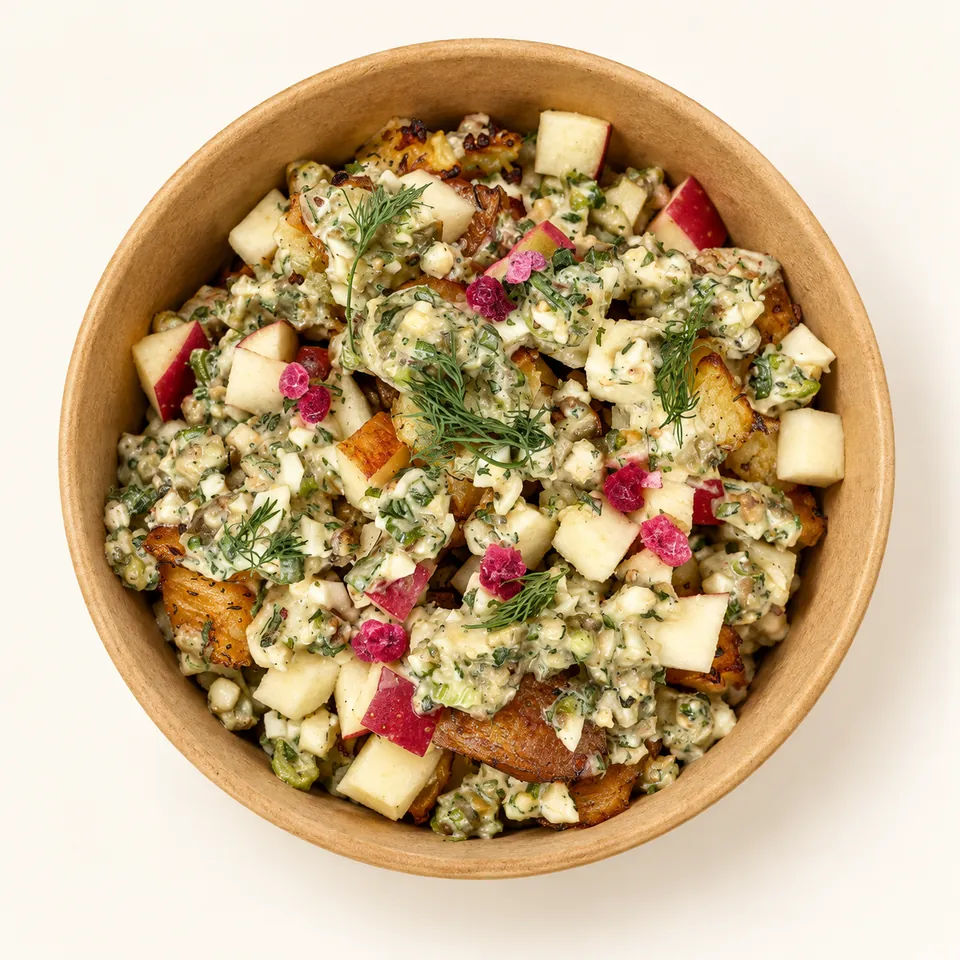
Dressings contain acid, salt and oil, all of which pull water out of leaves and soften them within minutes. That's why every Leafli dressing — Caesar, pesto, mango-chilli and our egg gribiche — travels in its own sealed cup. Toss it in just before you eat.
3. Add crunchy toppings last
Croutons, nuts, seeds and granola lose their crunch as soon as they touch anything moist. We pack them so they stay dry, and in our Dark Chocolate Fruit Bowl the granola goes on at the very last step.
4. Keep it cold — properly cold
Cold slows down both wilting and bacterial growth. Our prepared ingredients are held at 4°C or below and every batch is labelled with when it was made and when it must be used by. India's food safety regulator, FSSAI, recommends storing perishable food under refrigeration to keep it safe — see its Eat Right India resources for more.
At home:
- Keep your fridge at 5°C or colder.
- Store cut vegetables in airtight containers lined with a paper towel to absorb moisture.
- Don't leave salads out at room temperature for long — especially ones with eggs, dairy or chicken.
5. Cut fruit and delicate vegetables close to serving
Apples brown, tomatoes leak and cucumbers release water once cut. We cut these as close to dispatch as we can. If you're meal-prepping, keep juicy ingredients in a separate container and combine on the day.
6. Layer smartly in jars and boxes
If you pack salads ahead:
- Dressing at the bottom (or in a separate pot)
- Hardy, wet ingredients next — chana, cucumber, tomatoes
- Grains and proteins
- Delicate greens on top
- Crunchy toppings in a separate small container
Meal prep: how to keep salad fresh all week
If you prep lunches on Sunday, a little planning keeps salad fresh until Friday:
- Prep components, not finished salads. Wash and dry greens, chop sturdy vegetables, cook legumes and make one or two dressings — then store each separately.
- Cook proteins in small batches. Cooked chickpeas, eggs and chicken are best eaten within two to three days, so prep twice a week rather than once.
- Cut the delicate stuff fresh. Apples, avocado and tomatoes taste much better cut on the day.
- Assemble in the morning. Putting a bowl together takes five minutes when the components are ready, and the salad will still be crisp at lunchtime.
Choose the right container
The container matters more than most people think. Use rigid, airtight boxes so leaves aren't crushed and air can't dry them out. Glass or BPA-free plastic both work. Keep a small separate pot for dressing and another for crunchy toppings. A folded paper towel on top of the greens absorbs condensation and buys you an extra day of crispness. Our delivery bowls follow the same idea: a rigid base, a sealed lid, and dressings in leak-proof cups.
Signs a salad has gone off
Throw a salad out if you notice slimy or dark, mushy leaves, a sour or fermented smell, liquid pooling at the bottom of the container, or mould anywhere. Salads with egg, dairy, cooked rice, noodles or chicken are higher-risk — if they've been left out of the fridge for more than a couple of hours, don't take the chance.
How long does salad stay fresh?
As a rough guide in a cold fridge: washed and well-dried lettuce lasts two to three days; chopped cabbage and carrot around three days; cut fruit and tomatoes are best within a day. Dressings with egg or dairy should be used within a few days. When in doubt, throw it out — smell and appearance alone can't prove food is safe.
The easy way
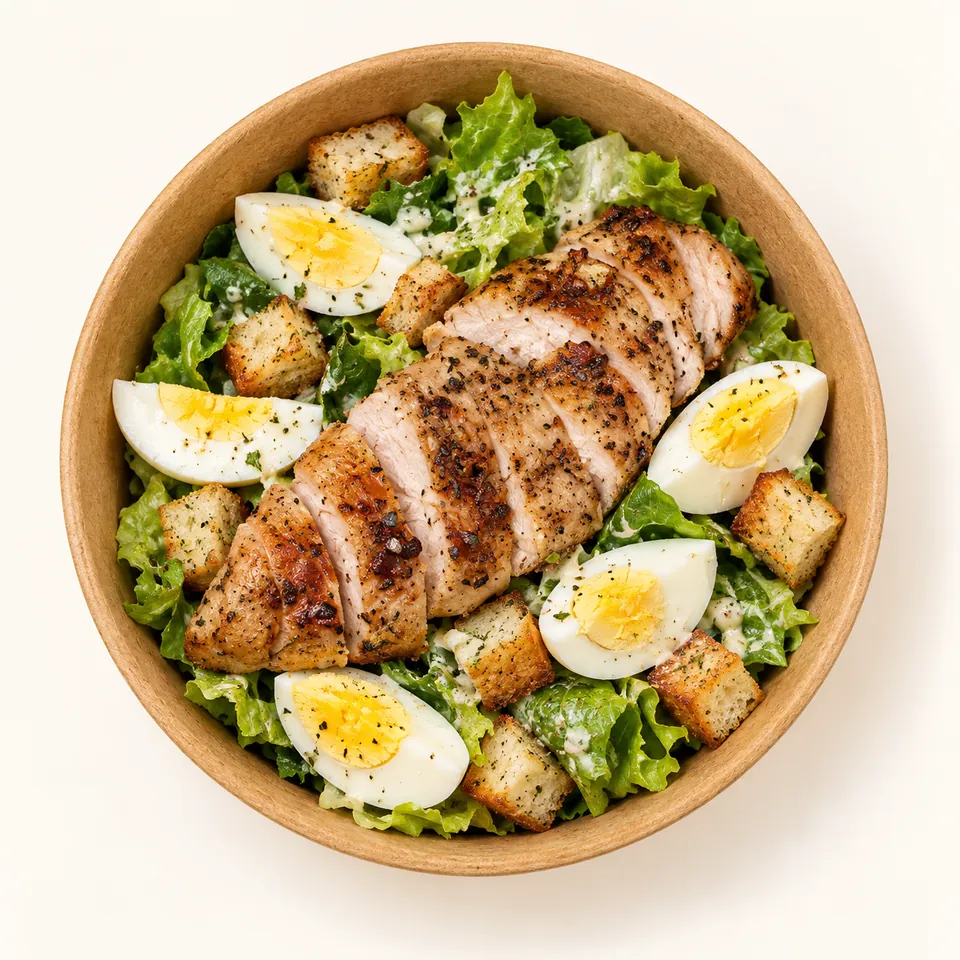
If you'd rather not think about how to keep salad fresh at all, our bowls are assembled to order and delivered with everything packed the right way. Try a single Classic Chicken Caesar, or set up a subscription and get a crisp lunch on the days you choose.
Frequently asked questions
How do you keep a salad from getting soggy?+
Dry the greens thoroughly, keep the dressing separate until you eat, add crunchy toppings last and store everything cold in airtight containers.
How long can you keep salad in the fridge?+
Well-dried lettuce lasts about 2–3 days and chopped cabbage or carrot about 3 days. Cut fruit and tomatoes are best within a day.
Should salad dressing be stored separately?+
Yes. Dressing softens leaves quickly, so store it separately and add it just before eating.